Node Operator Help Desk
We created a dedicated space in our Help Desk where Node Operators can exchange information and collaborate on EBSI security-related issues.
Open a ticket
EBSI Nodes are hosted by Node Operators across Europe, who are approved by the EUROPEUM-EDIC. They ensure the EBSI blockchain network is online and performing well. Want to help transform the European blockchain landscape? Become an EBSI Node Operator:
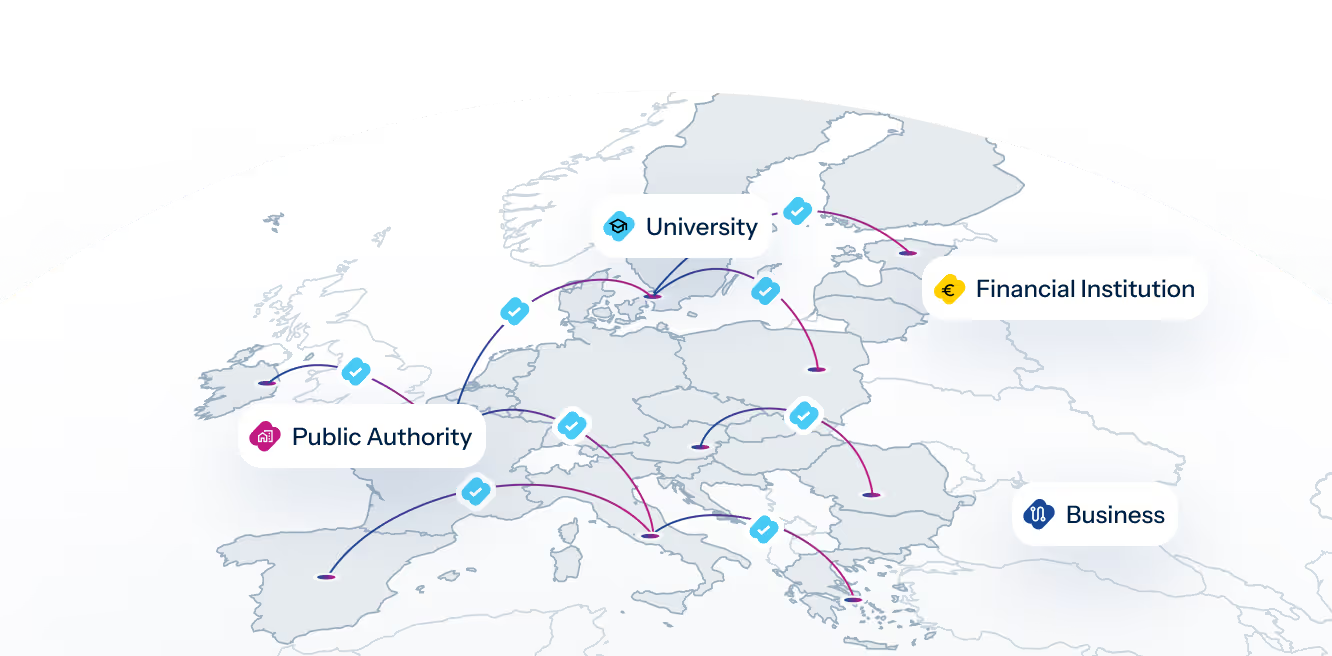
EBSI is a peer-to-peer network of distributed nodes across Europe, supporting applications focused on selected use-cases. Each member of the network, hosts EBSI nodes at national level. All the nodes can create and broadcast transactions that will update the ledger. Every node keeps an identical copy of this ledger.
EBSI comprises three different and separated EBSI Networks and corresponding environments created for different purposes. EBSI environments are use case agnostic. EBSI may enable all forms of cross-border cooperation, such as the exchange of trusted and secure verifiable credentials, the exchange of data between public authorities to handle cooperation in the area of customs and taxation and the traceability of documents for audit purposes.
Each EBSI environment contains two different types of nodes:
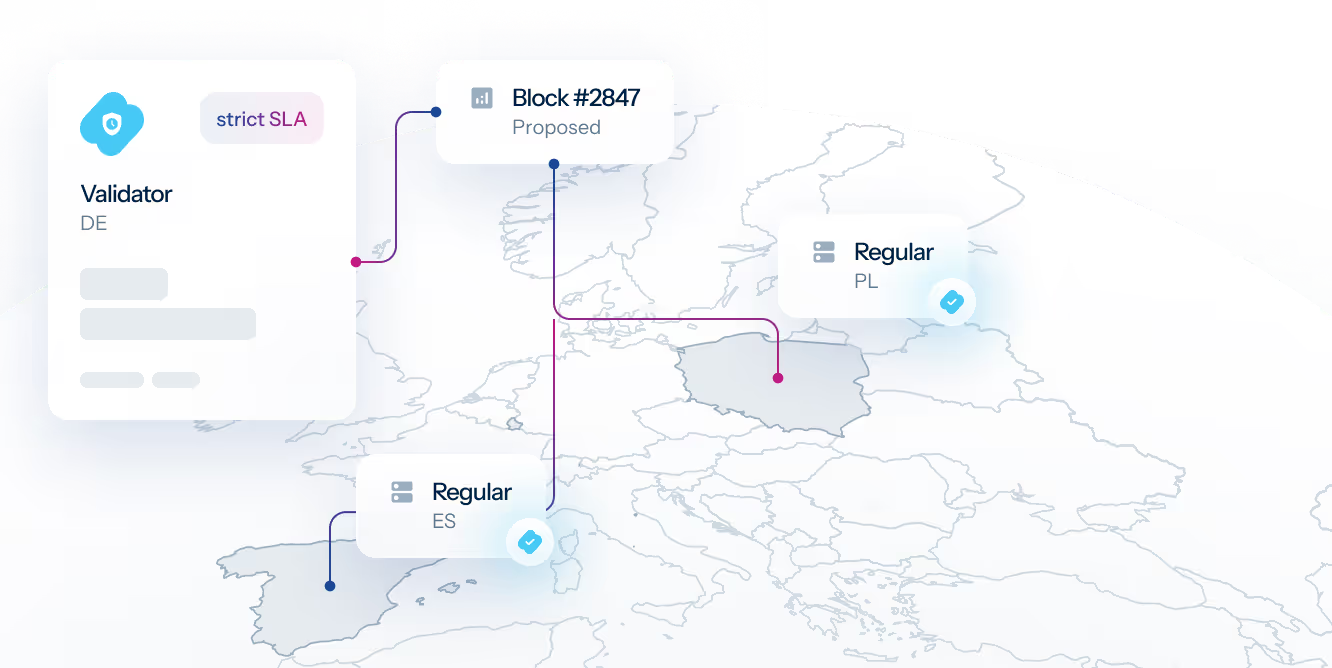
Validator nodes: have the role to propose and sign new blocks. Also, they maintain a copy of the ledger by staying synchronised with the network.
Regular nodes: their role is to maintain a copy of the ledger by staying synchronised with the network.
The minimum technical requirements are similar for both types of nodes, validator or regular being only the role of the node in the network.
The main difference between both nodes types are the SLA requirements, that are stricter for the Validator Nodes compared to the Regular Nodes due to the different roles that each of them play.
A Node Operator can choose the role of its node(s) in the respective environment at the onboarding phase or at a later stage, by opening a ticket to the EBSI Help Desk and requiring upgrading a Regular Node to a Validator or to downgrade a Validator to a Regular Node.
Any organisation in one of the European Blockchain Partnership countries (EU 27 + Norway and Liechtenstein) can host an EBSI node, as long as certain conditions are met. There are minimum technical requirements and SLAs to be met, all outlined below. The candidate Node Operator also needs to request the endorsement of EUROPEUM-EDIC.
By becoming an EBSI Node Operator, you will not only help to mobilize European citizens to study, work and grow across Europe but you will also help improve the secure exchange of information. Join the EBSI ecosystem and help build the Europe of tomorrow.
Discover the key technical standards and infrastructure needed for EBSI Node Operators to maintain seamless operation, security, and interoperability across the European Blockchain network.
Each EBSI Node can deploy one or several of EBSI’s environments:
The Pilot environment, for user testing purposes.
The Pre-Production and Production environments, for acceptance, and the live EBSI network, respectively
There are technical and legal requirements associated with each environment, which you should read carefully:
The relevant General Conditions / Compliance Statement and annexed Data Processing agreement.
The applicable SLA and operational rules outlined in the Node Operator Operational Book (NOOB).
The minimum technical requirements.
The EBSI Pilot Network is a a restricted and controlled environment created for testing and evaluation of components and/or EBSI Use Cases. On-boarding as EBSI Node Operator in the EBSI Pilot environment presupposes that the EBSI Node Operator performs the following actions:
Service Level Agreement (SLA)
This is a detailed specification of resilience, availability and performance requirements all Nodes should adhere to in order to provide the EBSI Service. That includes hardware, operating systems, security systems, networks, base software and EBSI specific software.
EBSI Node Operator in Pilot Network Compliance Statement
This document sets out the rules and contractual clauses, as agreed by EBP Members, which the EBSI Node Operators must comply with to operate the EBSI Pilot Network (e.g., the minimum technical, functional and operational requirements and processes, and ANNEX A (Data Processing Agreement)).
Node Operators Operational Book (NOOB)
This book provides the standard processes and minimum technical requirements for a Node Operator to operate as an EBSI Node Operator. It has the key objective of improving operations by reducing errors, increasing clarity and efficiency, as well as creating a safe working environment through the implementation of standardisation among Node Operators in the way of resolving issues in the daily execution and performance of an EBSI Node.
Service Level Agreement (SLA)
This is a detailed specification of resilience, availability and performance requirements all Nodes should adhere to in order to provide the EBSI Service. That includes hardware, operating systems, security systems, networks, base software and EBSI specific software.
The EBSI Pre-Production environment serves the purpose of staging and testing of deployment-ready EBSI software releases. This environment is an identical copy of EBSI Production environment, used for the deployment of the EBSI software releases in real live real-time operations.To host a Pre-Production & Production Node, follow these steps:
EBSI Node Operator General Conditions
This document sets out the rules and contractual clauses which EBSI Node Operators must comply with to operate the EBSI Network hosting Pre-Production and Production environments (e.g., the minimum technical, functional and operational requirements as well as availability, performance and security standards related to the provision of services using EBSI and GDPR compliance).
Node Operators Operational Book (NOOB)
This book provides the standard processes and minimum technical requirements for a Node Operator to operate as an EBSI Node Operator. It has the key objective of improving operations by reducing errors, increasing clarity and efficiency, as well as creating a safe working environment through the implementation of standardisation among Node Operators in the way of resolving issues in the daily execution and performance of an EBSI Node.
Service Level Agreement (SLA)
This is a detailed specification of resilience, availability and performance requirements all Nodes should adhere to in order to provide the EBSI Service. That includes hardware, operating systems, security systems, networks, base software and EBSI specific software.
EBSI being permissioned blockchain network, EUROPEUM-EDIC assumes an oversight role over the Node Operators participating to the EBSI Networks. Node Operators interested in joining any of the EBSI environments and becoming EBSI Node Operators shall therefore submit an application to the EUROPEUM-EDIC to be endorsed.
Endorsement to become a Node Operator
Endorsement for Security Certification
Want to know whom to contact for endorsement?
After submitting the documents to EUROPEUM-EDIC, follow the instructions to start your formal onboarding process to become a Node Operator via our Help Desk. The on-boarding of Node Operators relies on their endorsement by the EUROPEUM-EDIC and their compliance with the relevant legal package, the NOOB and the SLA.
If you have questions or problems regarding the process to become a Node Operator, please contact us. Our team will get back to you.