A secure, sovereign and resilient digital infrastructure for Europe
EBSI, the European Blockchain Services Infrastructure, provides a shared layer that lets Europe's digital systems exchange trusted data across borders, sectors and institutions.
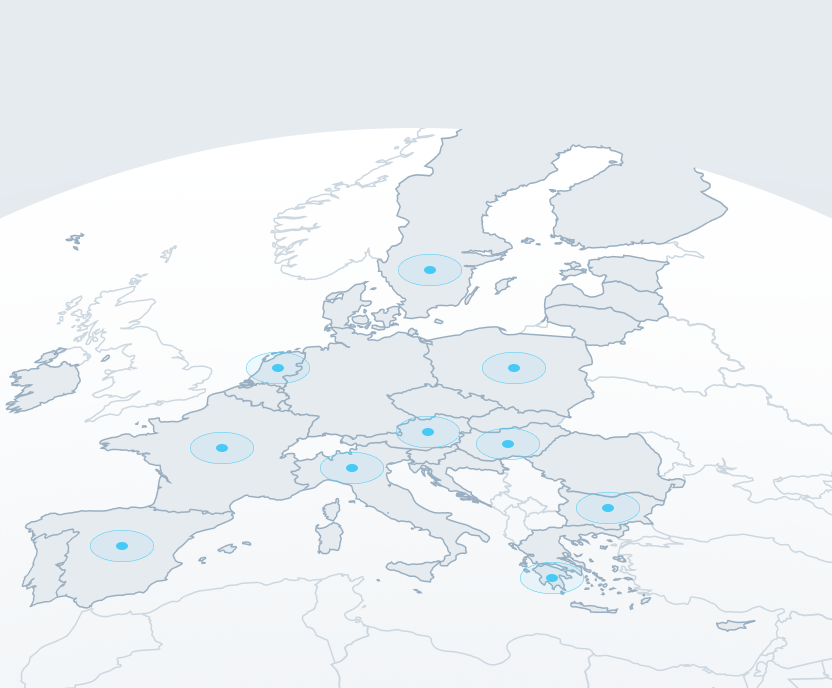
32 Nodes
20 Nodes
20 Nodes
A shared layer for Europe's digital trust infrastructure
EU’s public services are supported by many national, regional and sectoral systems. These systems reflect different responsibilities, legal frameworks and operational needs. As more services become digital and cross-border, institutions need trusted ways to exchange and verify information across them.
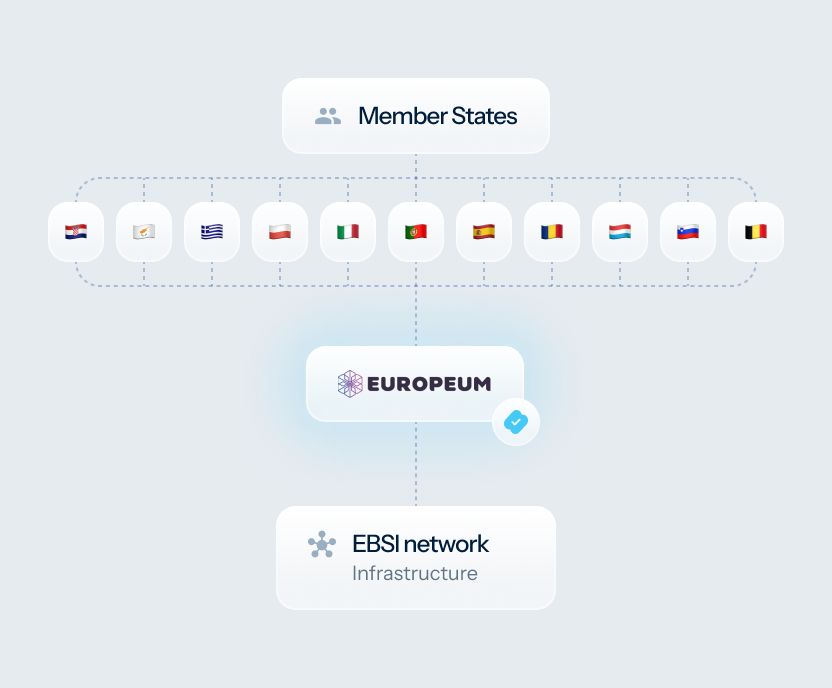
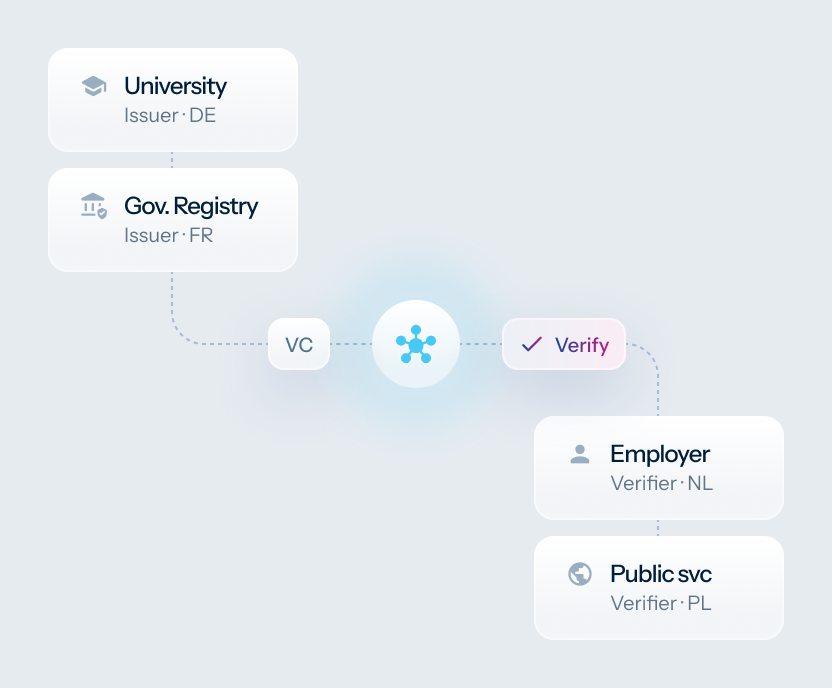
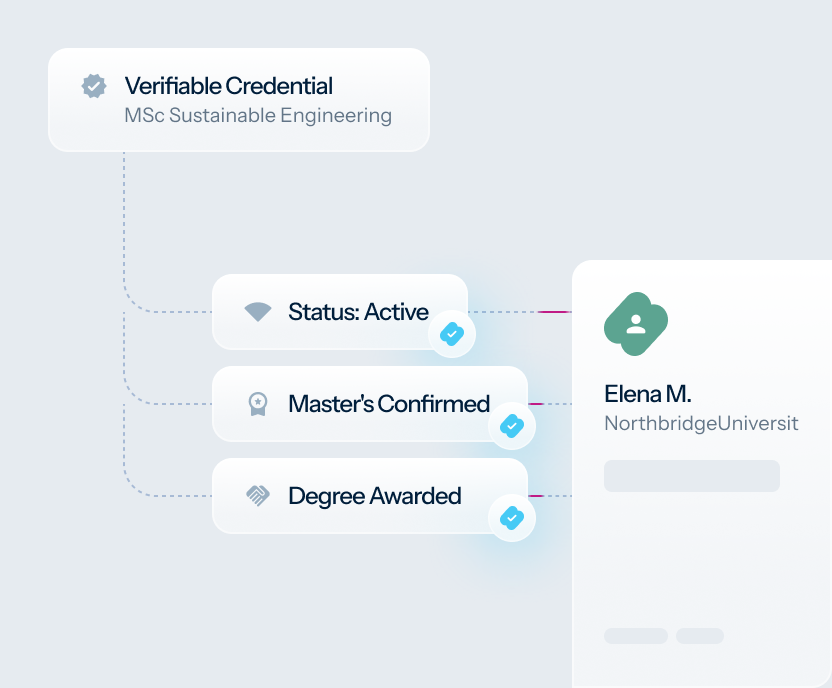
EBSI is a shared digital infrastructure operated by Europeum-EDIC on behalf of participating EU Member States. It helps institutions issue, exchange and verify trusted data across borders without replacing existing systems. For example, a diploma issued in Greece can be verified for university admission in Spain, an import declaration can have its traceability verified by customs at Liège airport, a financial security can be issued and exchanged between trusted SMEs, etc.
EBSI is open source, built on open standards, and governed by a European Digital Infrastructure Consortium (EDIC) as European public infrastructure. It connects existing systems so that trusted information can be exchanged and verified across institutions, sectors, and Member States.


Sovereign infrastructure, independent by design
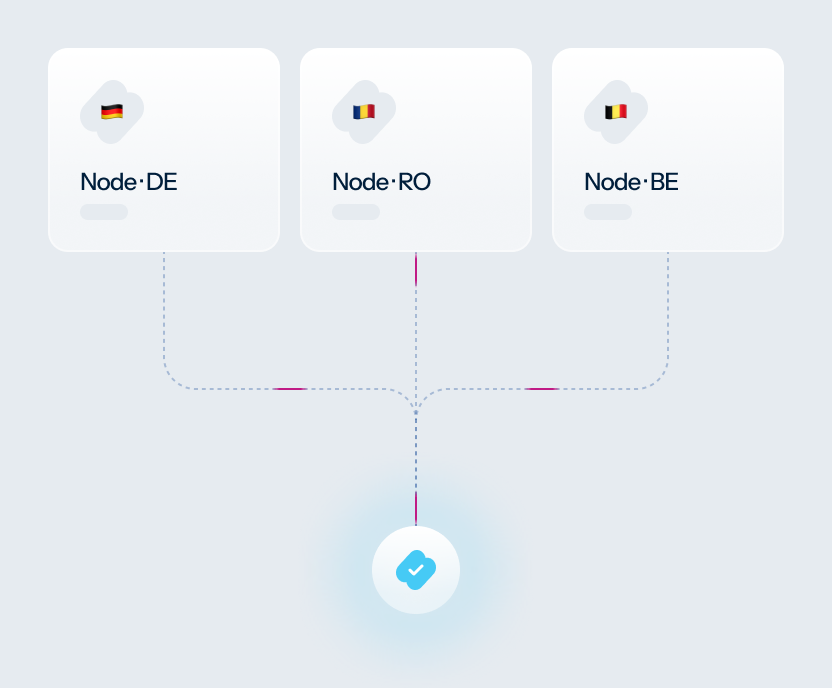
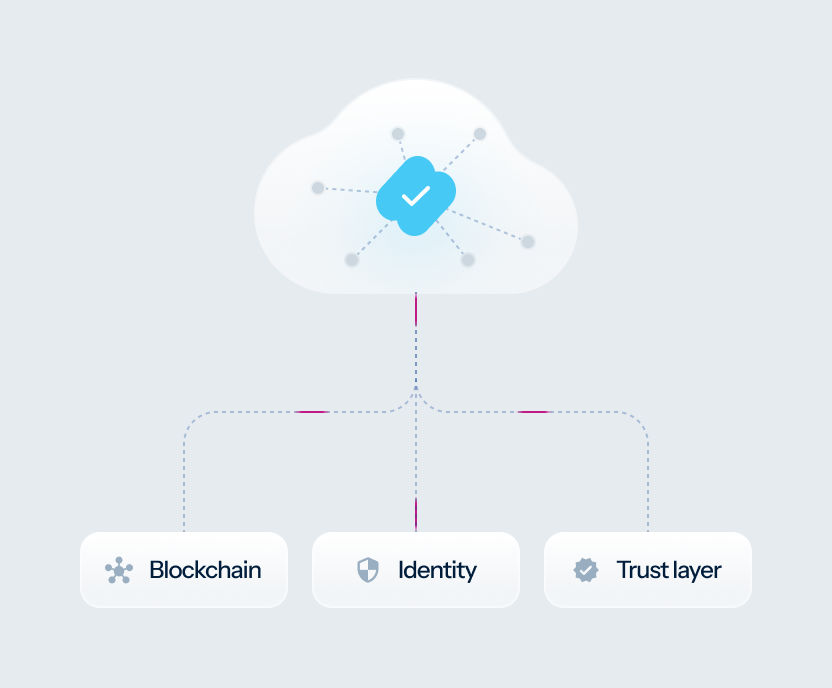
EBSI's European wide network of nodes are configured to implement a decentralised architecture to host its Core Technical Services: APIs, Smart Contracts, and the EBSI ledger. Each validator node executes the smart contracts deployed on the ledger, maintaining a parallel copy of the ledger, synchronously with every other node, eliminating single points of failure and control whilst making EBSI's Core Technical Services always available. Anyone can choose to operate an EBSI Node but to ensure the integrity and stability of the network, Node Operators must abide by EBSI's Governance rules and respect its Node Operators General Conditions.
Each node is operated by an independent organisation, enabling neutrality, resilience, and equal access for participants across sectors and countries.
Public infrastructure for European digital trust
Distributed by design
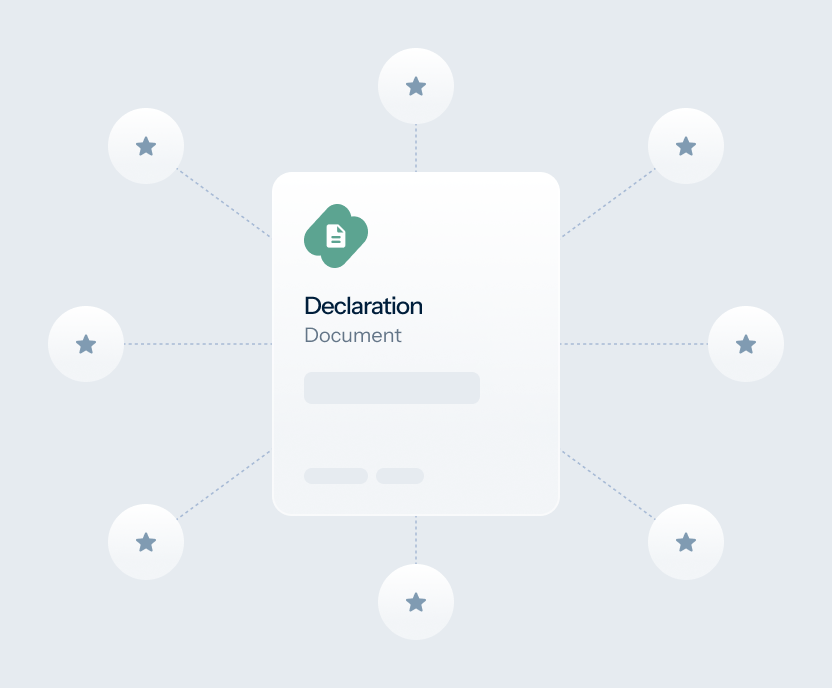
Applicable across multiple use cases
Built for trusted data exchange
EBSI's history

Business Launch
2026
Europeum-EDIC created
Europeum-EDIC is established by European Commission decision. Member States took over governance of EBSI from the EBP.
2024
Infrastructure ready
EBSI infrastructure reaches production readiness. Terms and conditions, SLAs and GDPR compliance assessments finalised. First cross-border integrations demonstrated.
2022
First prototype
EBSI is launched. Basic blockchain infrastructure, APIs, and a user web wallet are developed. The first use case implementations begin.
2020
The European Blockchain Partnership
The European Commission and 29 countries sign the EBP Declaration, committing to build a shared blockchain infrastructure for public services across Europe.
2018
Network Technical Launch
EBSI reaches its most significant milestone, the transition to a production-grade network. The Network Technical Launch establishes the technical foundation, stable environments, certified infrastructure, and Europeum-EDIC oversight.
2026
EBSI Beta
EBSI scales across multiple environments. Verifiable Credentials widely adopted across education, worker mobility, supply chain traceability, and anti-counterfeiting.
2023
Pilots begin
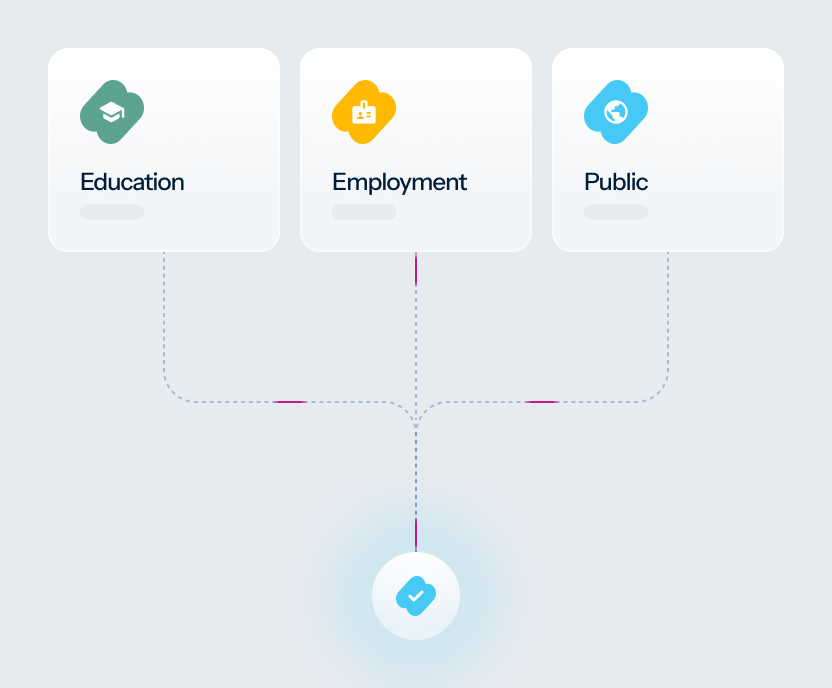
The EBSI pilot network goes live. Twenty-one organisations join as the first cohort of pilot projects across education, employment, and public services.
2021
The EBSI vision takes shape
The EBP publishes a feasibility report confirming the case for a European Blockchain Services Infrastructure. Technical foundations begin.
2019
The EU’s trust infrastructure Operated by Europeum
Whether you are a public institution, business, organisation or developer, EBSI provides shared European infrastructure for trusted digital services that connects existing systems, support verifiable data exchange and participate in a common European trust network.